
Tossing and turning, feeling too hot or too cold, adjusting your pillow endlessly — we’ve all been there. Not being able to get a good night’s sleep is the worst. And no matter how great a getaway you’ve got planned, if your camping bed isn’t the right fit, it’s sure to put a damper on your trip.
Whether you’re spending your time hiking and exploring or relaxing with family, you want to wake up well-rested and ready for the day. But how do you know which type of bed is right for you?
Fortunately, choosing a camping bed doesn’t have to be a nightmare. With so many options, there are great sleep systems for every kind of trip. Read on to learn about the different options and how to choose the right camping bed for you.

Camping Bed Basics
Before we delve into the best types of camping beds for specific situations, let’s cover the basic types of camping sleep systems. We’ll also discuss some things you’ll want to keep in mind as you decide which bed is right for you.
Overview of Types of Camping Beds
The most common categories of camping beds are platforms, mattresses, mats, and sleeping bags. Each type of bed has its relative merits, all of which are helpful to consider as you plan for your trip. Also, remember that you’re not limited to just one; many campers find it useful to combine items in order to create the ideal sleep system.
Cots/Sleeping Platforms

As the name suggests, sleeping platforms offer a raised bed option — and this is their primary advantage. While most other camping beds have you sleeping close to the floor, cots and other platforms keep you off the ground and away from critters. This elevation makes them ideal for many types of camping, particularly wilderness trips and campground stays.
Typically, campers will pair cots with some other sort of mattress or sleep mat. Sleeping platforms feature a built-in surface (which may or may not be padded) and can be supplemented with a mat or sleeping bag.
Air/Inflatable Mattresses

Many people are familiar with inflatable mattresses in the context of the home, useful for when you have extra guests staying over. However, these beds can be suitable for camping trips as well.
Air mattresses can be incredibly comfortable, especially for longer getaways. Glampers will enjoy the luxurious extra cushioning, and those staying at campsites or in RVs may also appreciate the added dose of comfort. These mattresses are typically inflated on-site, and many are sold with an air pump for this purpose.
Sleeping Pads/Mats
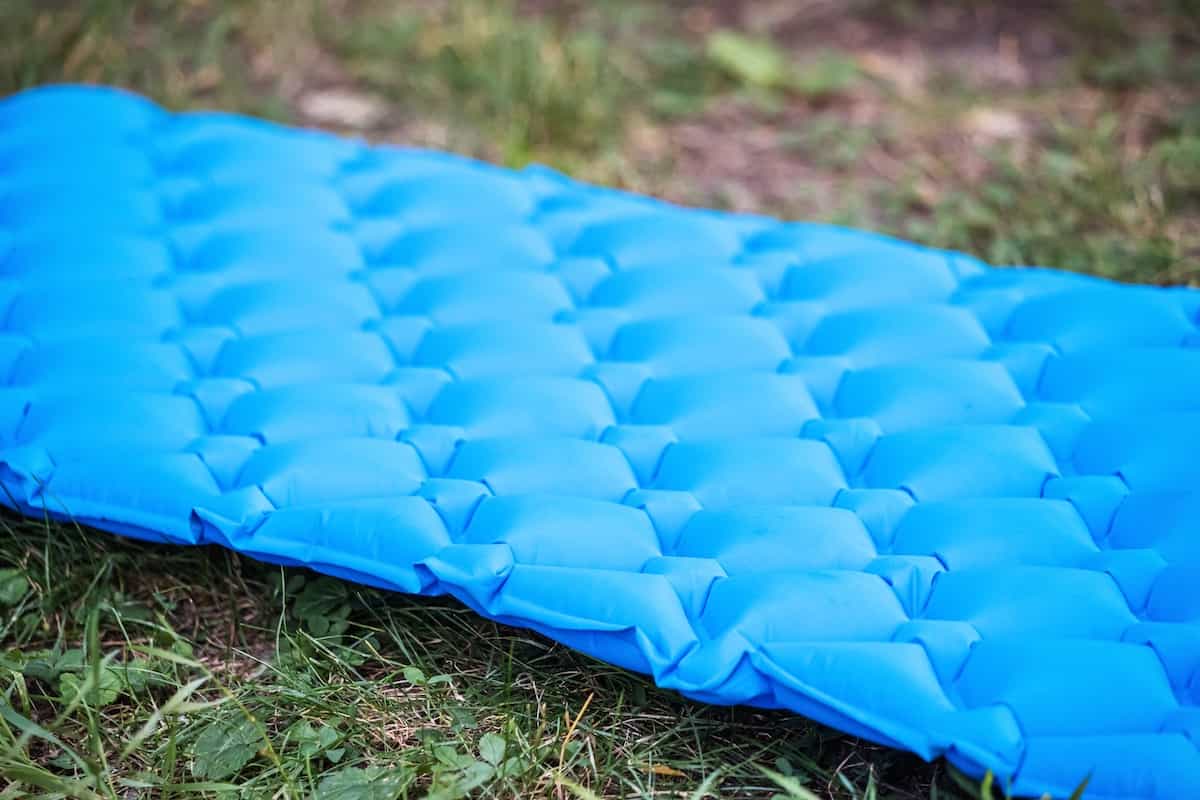
As a sort of thin, portable mattress, sleeping pads are one of the most versatile types of camping beds. They can be used on their own or with other bed materials. Because of their portability (many can be rolled up tightly and stored in a small bag), sleeping mats can be a good option if you’ll be hiking to your campsite and carrying your bed there.
Sleeping Bags
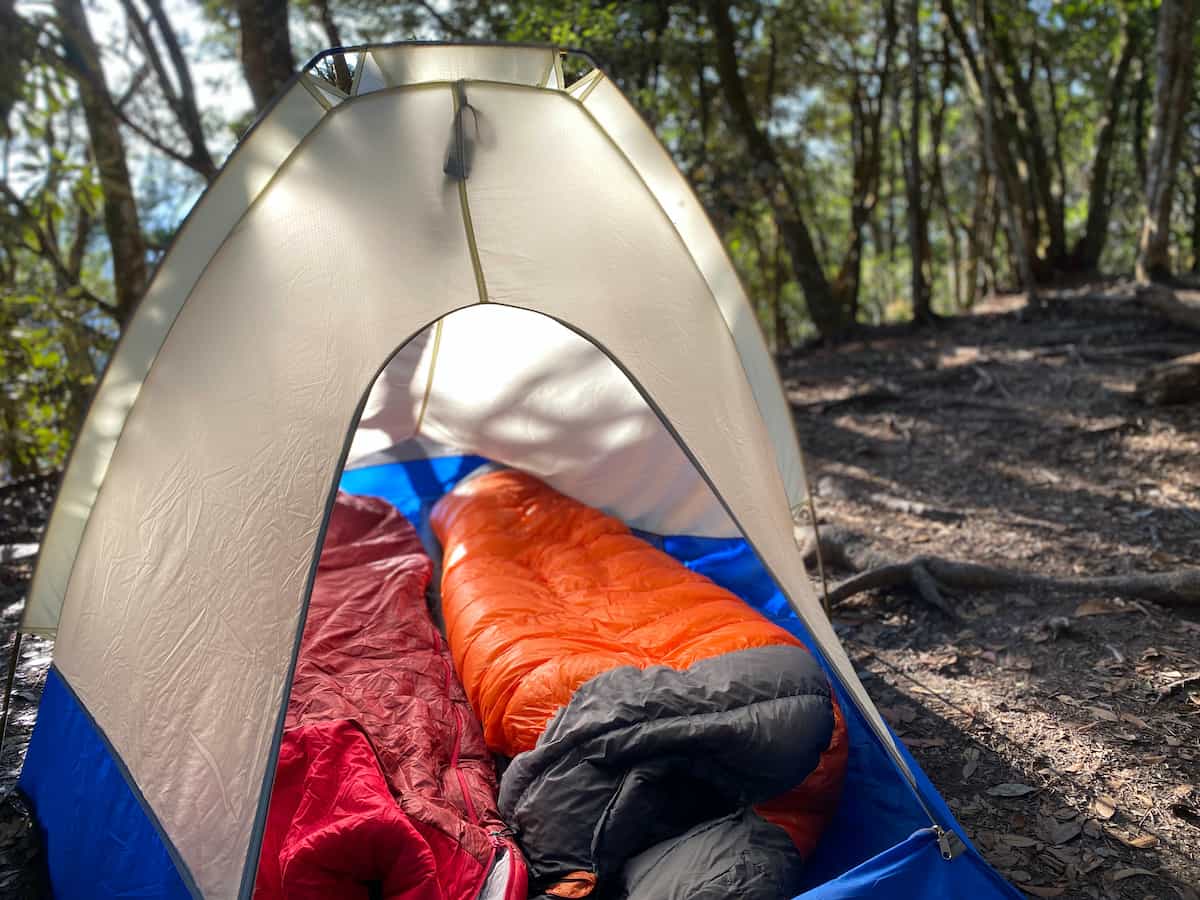
As mentioned above, sleeping bags are often used in conjunction with other beds. Available in a wide range of styles, they can provide heat insulation in colder temperatures or an extra layer of protection against dirt and insects if you’re sleeping at ground level.
Some General Factors to Consider
When choosing a camping bed, being aware of your personal sleep preferences as well as the type of trip you’re embarking on can help immensely with your decision.
Comfort
As you’re thinking about how comfortable your camping bed will need to be, ask yourself: how long will you be sleeping in this bed? Will it be for a night, a long weekend, or several weeks? For many people, there’s a big difference between what you can put up with in the short term versus what you’ll want for a longer stay.
It’s also important to be honest with yourself in considering how well you typically sleep in unfamiliar beds. Are you the type of person who can practically sleep anywhere, or do you struggle if it’s not just right? Knowing yourself in this regard can help you make the right call.
Weight & Packed Size
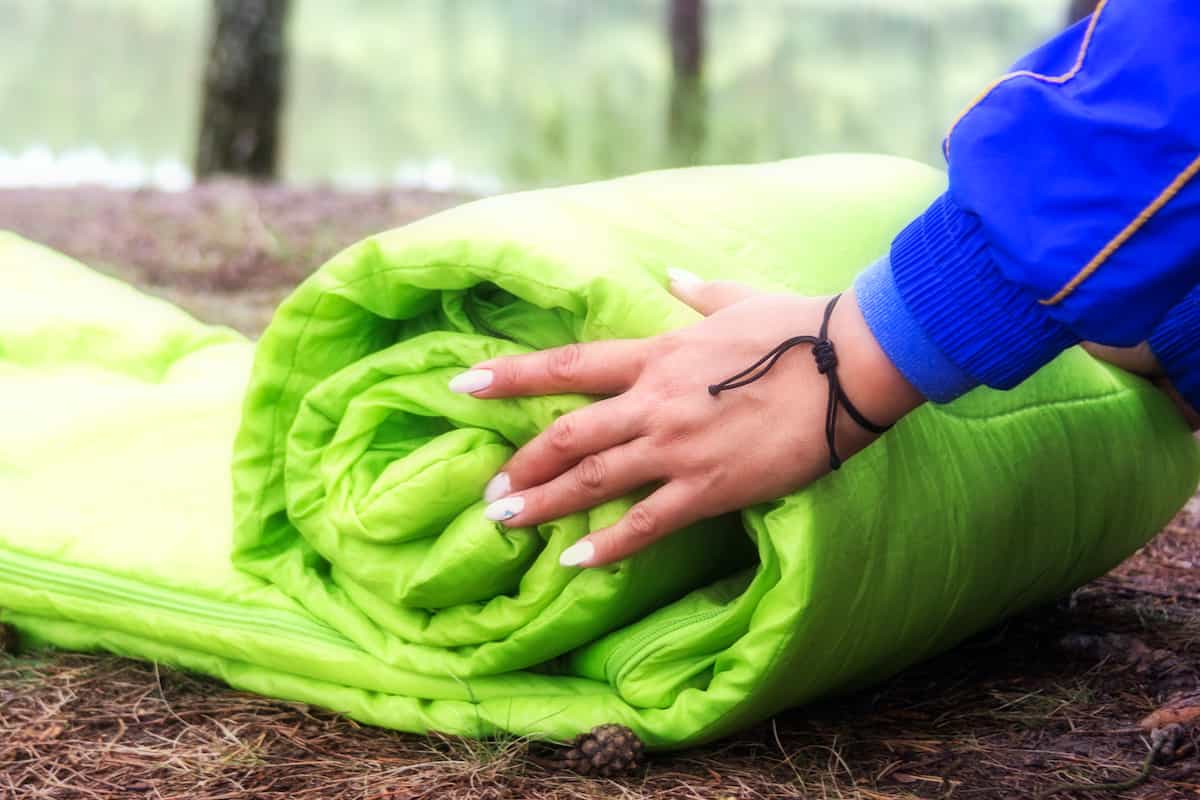
Consider the type of trip you’re planning, and specifically, how you’ll be transporting your camping bed. Will you be traveling by car directly to your campsite, or will you be hiking through the wilderness and carrying your bed yourself? Depending on your answer, a bed’s weight and packed size can be important determining factors.
Also, it can be helpful to think about your trip’s itinerary. Will your bed be staying at the same location, or will you be packing and unpacking it several times? How much time and effort are you willing to put into repeated set-ups and tear-downs?
Price
Of course, no two campers’ budgets look the same. When you’re weighing how much you want to spend on your camping bed, consider how frequently you go camping. Is this simply a one-weekend getaway, or do you camp on a regular basis?
Additionally, determining how much use you want to get out of this particular bed can be helpful. Are you looking for something just to do the job for one or two trips, or do you want to invest in a higher-quality item that you can use for years to come?
Best Camping Beds by Camping Type
Now that we’ve covered the camping bed basics, let’s highlight some of our top choices by type of camping.
Wilderness/Primitive Camping
If you’re looking for an off-ground sleeping option for your wilderness camping trip, try the TETON Sports Adventurer Camp Cot. This sturdy and durable cot allows for quick and simple setup and can easily be carried in its dedicated bag.
The remarkably comfortable NEMO Quasar 3D Insulated Air Sleeping Pad can also be paired with a cot such as the TETON or used as a camping bed on its own. Lightweight and compact, this mat only weighs about two pounds and comes with its own stuff sack, making it perfectly portable for hiking.
Campground
For a comfortable stay at the campground, check out the Sea to Summit Ether Light XT Extreme Cold-Weather Insulated Sleeping Pad. This high R-value inflatable pad adjusts to your body shape to keep you cozy all night long. It’s also well-insulated, which can be helpful on chillier evenings.
Glamping

If luxury’s the name of the game, look no further than the Exped MegaMat 10 Duo Self-Inflating Camping Mat, an incredibly comfortable self-inflating mattress for two. The air-channeled foam mimics the feeling of a “normal” mattress, allowing your camping bed to be cozier than ever.
Additionally, the REI Co-op Camp Dreamer Double Sleep System is a glamper’s dream, particularly for a couple’s getaway. This deluxe sleeping bag for two boasts an inside sheet and outer quilt, both of which are meant to provide the comforts of home when paired with a mattress such as the Exped MegaMat.
Car Camping

If you’re planning a car camping trip, the spacious Moosejaw Comfster XXL Cot is a fantastic option. Since it’s large and somewhat heavy, you wouldn’t want to carry it while hiking — but set it up right outside your car, and you’ve got the ideal camping bed. This platform pairs well with a sleeping bag and features a nice side pocket.
Another worthy contender is the Kelty Waypoint SI Sleeping Pad, a comfortable and affordable self-inflating mat. Although it doesn’t pack up well enough to carry around while hiking, it’s perfect for setting up in the back of your car or in a tent.
RV Camping

For all you RV campers, the comfortable and well-cushioned REI Co-op Kingdom Insulated Air Bed may be your perfect match. While the moderate R-value of 2.6 could be a problem for sleeping on the ground in colder temperatures, it could actually work to your advantage for sleeping inside an RV.
Goodbye, stuffiness and sweatiness!
Frequently Asked Questions
Having highlighted some of our favorite camping bed options, let’s now consider some frequently asked questions.
Q: Can hammocks be used as camping beds?
Yes, this is an option — which will be no surprise to anyone who’s dozed off in a hammock before! However, it’s important to note that a hammock can’t be used inside a tent because of the proper supports needed to suspend it. Therefore, you would need to first set the hammock up as usual, then create a shelter around it.

Q: What are the best camping bed options (or camping bed add-ons) for colder weather?
When it comes to camping in colder weather, the same principle applies to camping beds as it does to clothing: layering. It can be useful to combine multiple bedding items to create your sleeping system, and a high-quality sleeping bag can be especially helpful. Additionally, familiarizing yourself with the different R-values can help you choose a pad or mattress with the proper amount of insulation.
Q: I struggle with back/joint pain. How can I make my camping bed more comfortable?
There are many ways to ensure that your camping bed has the support needed to keep you comfortable. As is the case with camping in colder temperatures, layering can be helpful here; adding an extra sleeping pad on top of your cot or air mattress can give you additional cushioning. Also, pay attention to the R-values and thicknesses of the products you’re buying, and read product reviews to see what other campers are saying.
Find Your Perfect Camping Bed

With so many options on the market, there is sure to be a perfect camping bed available for everyone. By considering your own needs and the type of trip you’re planning, you can make an informed decision about which sleeping system is right for you.
For more information and tips on choosing the best gear for your camping trip, check out our library of guides here.
- About the Author
- Latest Posts

Lauren Reder is a librarian and writer for Apple Pie Media. With a bachelor’s in Classics and a master’s in Library & Information Science, she finds her work deeply fulfilling and enjoys having the opportunity to learn something new every day.
When her nose isn’t buried in a book, this Cincinnati native loves being outdoors, spending time at her local parks, and going on road trips to pursue new adventures. As a wheelchair user, Lauren is always looking for new ways to participate in recreational activities. She’s forever on the hunt for new accessible trails, and when none can be found, she has been known to do a bit of off-roading in her chair! Lauren is eager to share what she’s learned with others and provide information to help everyone enjoy the great outdoors.